


The Clyde Facing Machine 1953
27.12.25
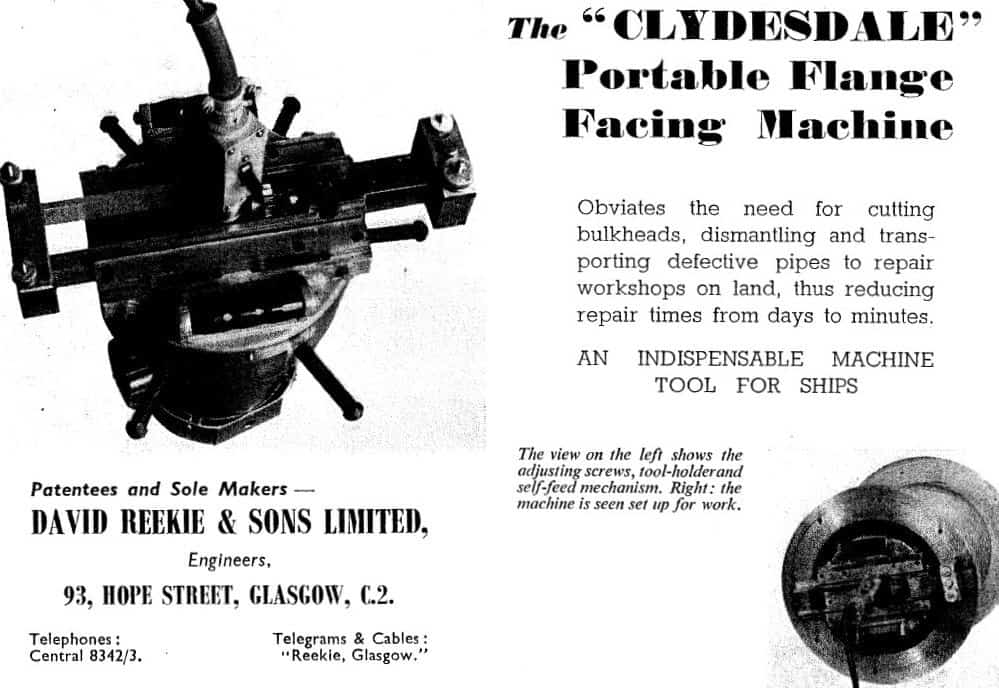
Reprinted from The Glasgow Herald of March 12, 1953
FLANGE FACING APPARATUS — New Glasgow Machine
A portable machine tool, which it is claimed will repair leaking flanges on the spot, is being exhibited this week by David Reekie and Sons, Ltd., Glasgow. The prototype was on view yesterday at Paisley and will continue to be shown there today and tomorrow to representatives of shipbuilding and engineering firms, and to officials of the Admiralty.
The new apparatus is described as the “Clydesdale” Portable Flange Facing Machine. The prototype, designed by Mr. John Rennie, Glasgow, is the first of its type to be produced and exhibited in Great Britain, and applications have been made for world patents.
It is described as the essential machine tool for ship’s engine rooms, ship’s plumbers, pipe-work contractors, boiler manufacturers, generating stations, and industrial plants.
When leaks develop between steam or hydraulic pipe flanges on board ship, it has been accepted practice for the defective sections of pipelines to be dismantled, transported to shops equipped with machinery for flange refacing operations, and returned to the vessel for reassembly. The “Clydesdale” apparatus would enable the flanges to be machined on the spot, and repairs to be made at sea. In addition to the marine application, the equipment could undertake the machining of valve flanges, boiler fixtures, and oil pipe flanges, and would be supplied to suit all electrical and pneumatic services.
The prototype weighs about 434 lb., but David Reekie and Sons intend to provide the equipment in three sizes, covering bores from 4 inches to 18 inches. Some of the ship-repairing representatives who saw the apparatus yesterday indicated their willingness to adopt the system but were informed that the machine would not be on the market for nearly three months.
Recent Blog Articles
View blog >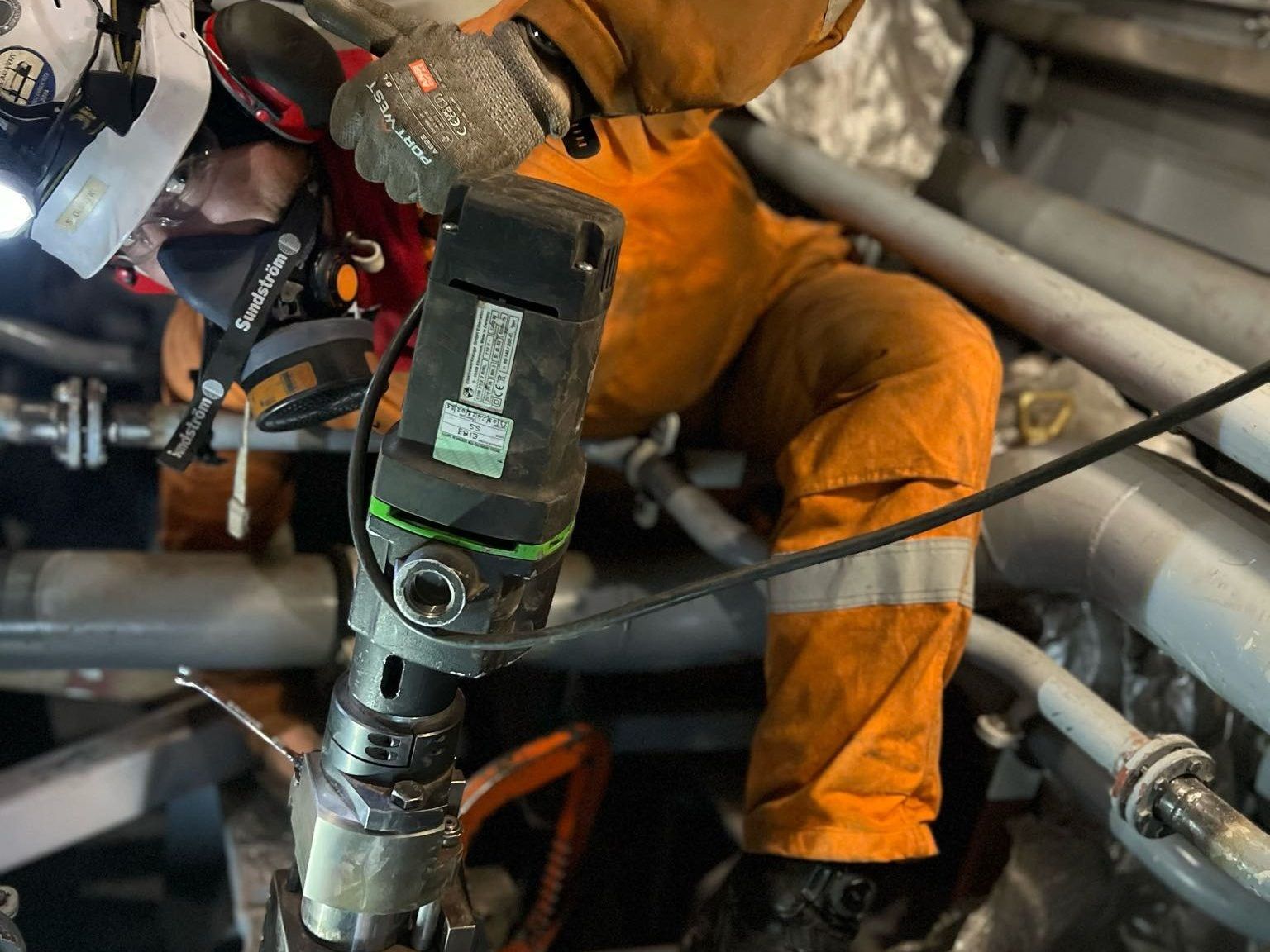
BLOG
What to Consider Before an In-Situ Machining Project
29/12/2025
What to Consider Before an In-Situ Machining Project In-situ machining can be a highly effective solution—but it isn’t always the right one. Understanding the options and gathering the right information early can significantly reduce risk, cost, and downtime. The following points are designed to help you make informed decisions and set your project up for success—whether you work with Reekie Machining or another provider. In-Situ or Off-Site Machining? The first […]
BLOG
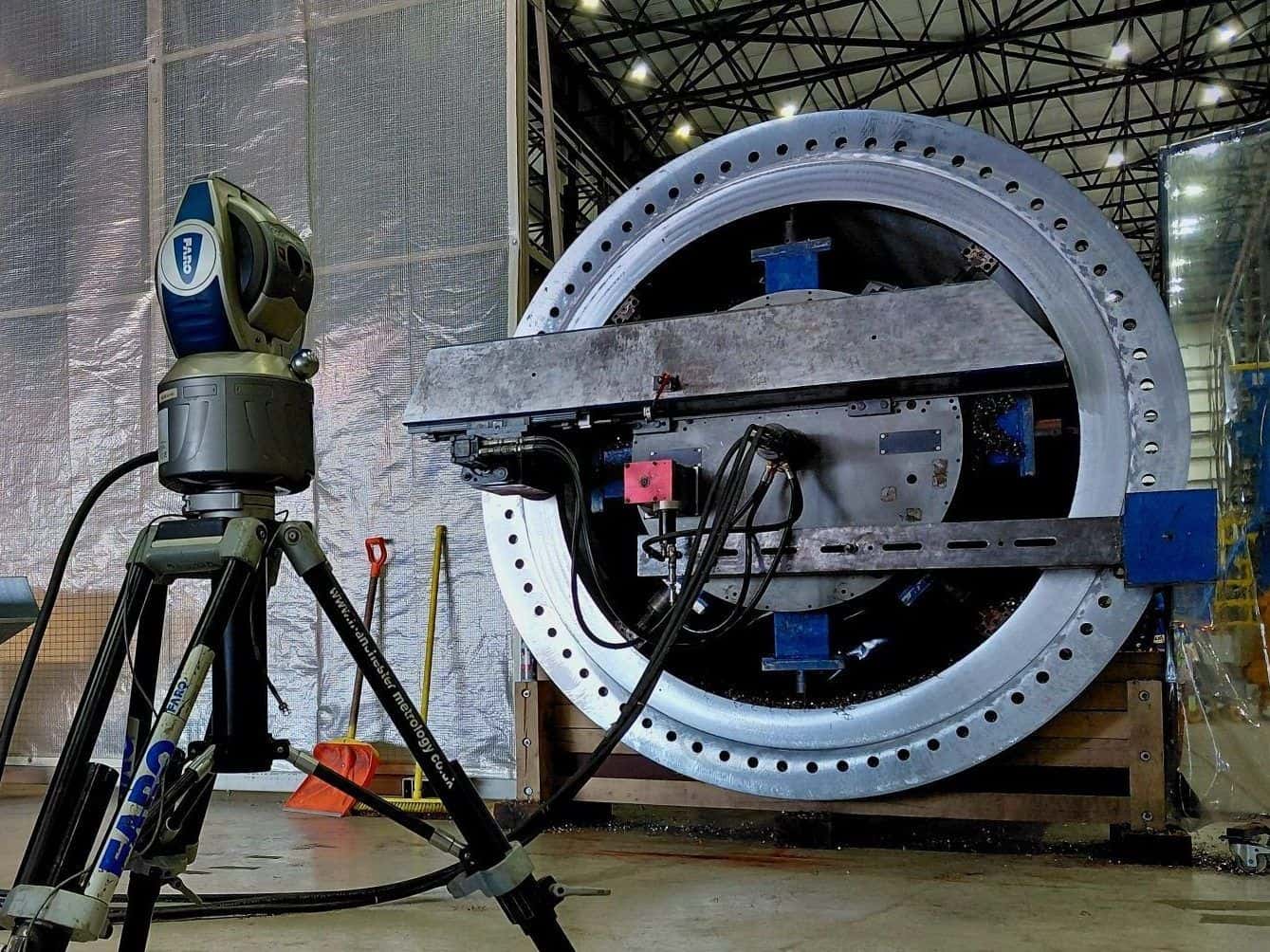
What Is In-Situ Machining?
29/12/2025
What Is In-Situ Machining? In-situ machining, also known as on-site machining, field machining, or portable machining, is the process of carrying out precision machining operations directly on installed or fixed equipment — without the need to dismantle or transport components to a workshop. Instead of removing large or critical assets, specialised portable machine tools are brought to site, allowing machining work to be completed accurately, safely, and efficiently in the […]
BLOG
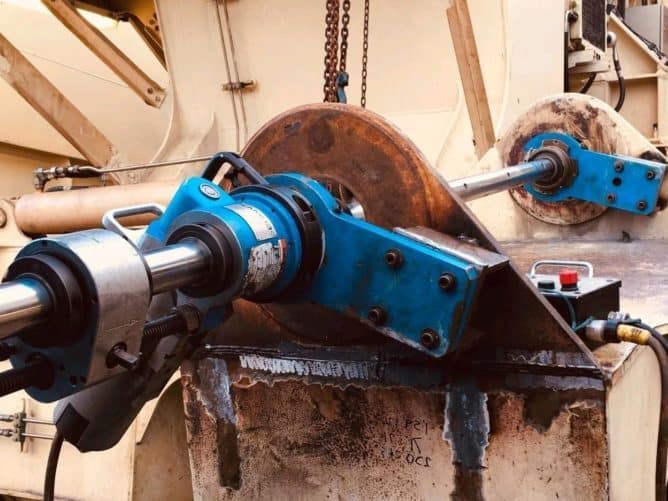
Common In-Situ Machining Applications
29/12/2025
Common In-Situ Machining Applications Common Applications of In-Situ Machining In-situ machining, also known as on-site machining or portable machining, is used across a wide range of industries to repair, modify, and restore critical components without removing them from service. Its flexibility and precision make it an essential maintenance solution where downtime, access, or component size makes workshop repairs impractical. Below are some of the most common in-situ machining applications, many […]