


What to Consider Before an In-Situ Machining Project
29.12.25
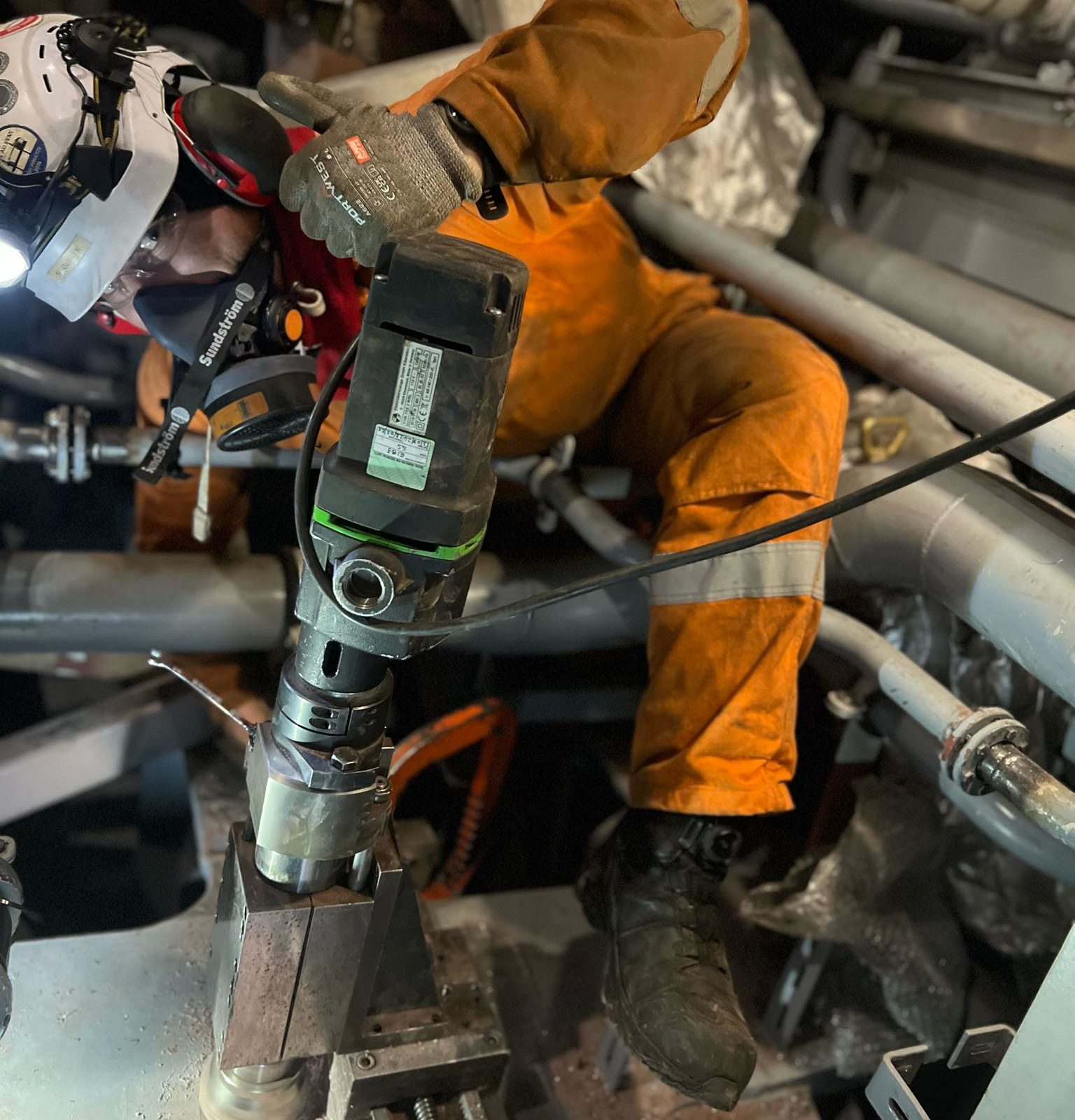
What to Consider Before an In-Situ Machining Project
In-situ machining can be a highly effective solution—but it isn’t always the right one. Understanding the options and gathering the right information early can significantly reduce risk, cost, and downtime.
The following points are designed to help you make informed decisions and set your project up for success—whether you work with Reekie Machining or another provider.
In-Situ or Off-Site Machining?
The first question to ask is whether in-situ machining is actually required.
If a component can be safely and easily removed and transported to a machine shop, off-site machining is often the most cost-effective and lowest-risk option. In many cases, the additional time and cost of machining on site can outweigh any savings in transport or workshop lead time.
In-situ machining is typically the best solution when:
Strip-down is impractical or unsafe
Removing the component would cause major disruption
Transport is difficult, costly, or impossible
Downtime costs are significant
Reekie Machining offers both in-situ and off-site machining, allowing us to recommend the most appropriate approach for your specific application.
Clearly Define the Scope of Work
A clear understanding of the required repair or machining is essential.
Where possible, provide:
A written scope or specification
Key dimensions and tolerances
Engineering drawings
If drawings are not available, a marked-up photograph or simple sketch can still provide valuable clarity. Better definition at the outset allows the correct equipment, tooling, and fixtures to be prepared—reducing risk once work begins.
What Information Is Available?
With sufficient information, a site survey is not always required.
Site surveys can be time-consuming, particularly when time is critical, and it is often difficult to capture all dimensions and constraints during a short visit.
You can help streamline the process by:
Locating existing drawings or records
Providing clear photographs from multiple angles
Noting access restrictions, clearances, and surrounding equipment
Good information enables effective planning and ensures the correct equipment arrives on site.
The First to Site Is Not Always the First to Finish
There is no single in-situ machine that suits every application.
Even when manpower is available, effective in-situ machining often requires time to:
Develop a detailed work pack
Design and prepare fixtures
Select and assemble the correct tooling
Allowing time for proper preparation often results in:
Faster execution on site
Fewer issues or rework
Reduced overall downtime
Lower programme risk
A well-prepared team will almost always complete the job more efficiently.
Understand the True Cost of Downtime
The duration of an in-situ machining job can vary significantly depending on:
The machining method selected
The experience of the machinists
The equipment and tooling used
The number of required set-ups
More advanced machining solutions may carry a higher initial cost, but they can significantly reduce execution time. When comparing options, it is important to consider the cost of each additional day of downtime, particularly where lost production or generation is critical.
Some in-situ machining providers focus on minimising downtime—an important consideration when every day offline has a major financial impact.
Need Advice?
Good in-situ machining starts long before anyone arrives on site. If you’d like to discuss your application or need guidance on whether in-situ machining is the right solution, our team is always happy to help.
Contact Reekie Machining to discuss your project requirements.
Recent Blog Articles
View blog >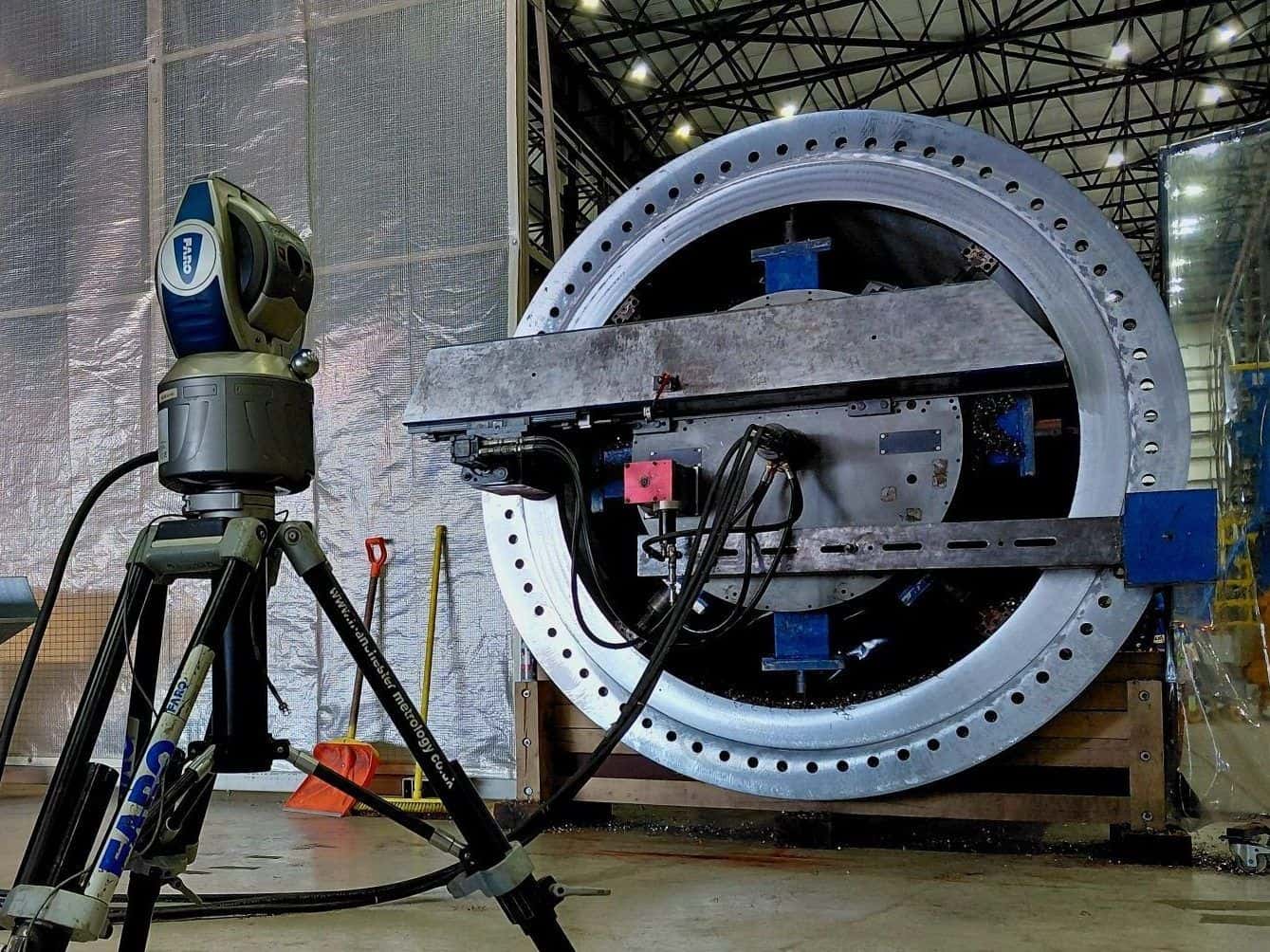
BLOG
What Is In-Situ Machining?
29/12/2025
What Is In-Situ Machining? In-situ machining, also known as on-site machining, field machining, or portable machining, is the process of carrying out precision machining operations directly on installed or fixed equipment — without the need to dismantle or transport components to a workshop. Instead of removing large or critical assets, specialised portable machine tools are brought to site, allowing machining work to be completed accurately, safely, and efficiently in the […]
BLOG
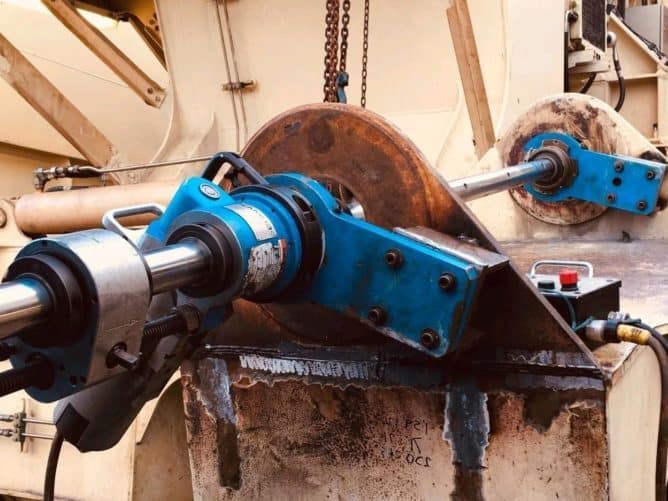
Common In-Situ Machining Applications
29/12/2025
Common In-Situ Machining Applications Common Applications of In-Situ Machining In-situ machining, also known as on-site machining or portable machining, is used across a wide range of industries to repair, modify, and restore critical components without removing them from service. Its flexibility and precision make it an essential maintenance solution where downtime, access, or component size makes workshop repairs impractical. Below are some of the most common in-situ machining applications, many […]
BLOG
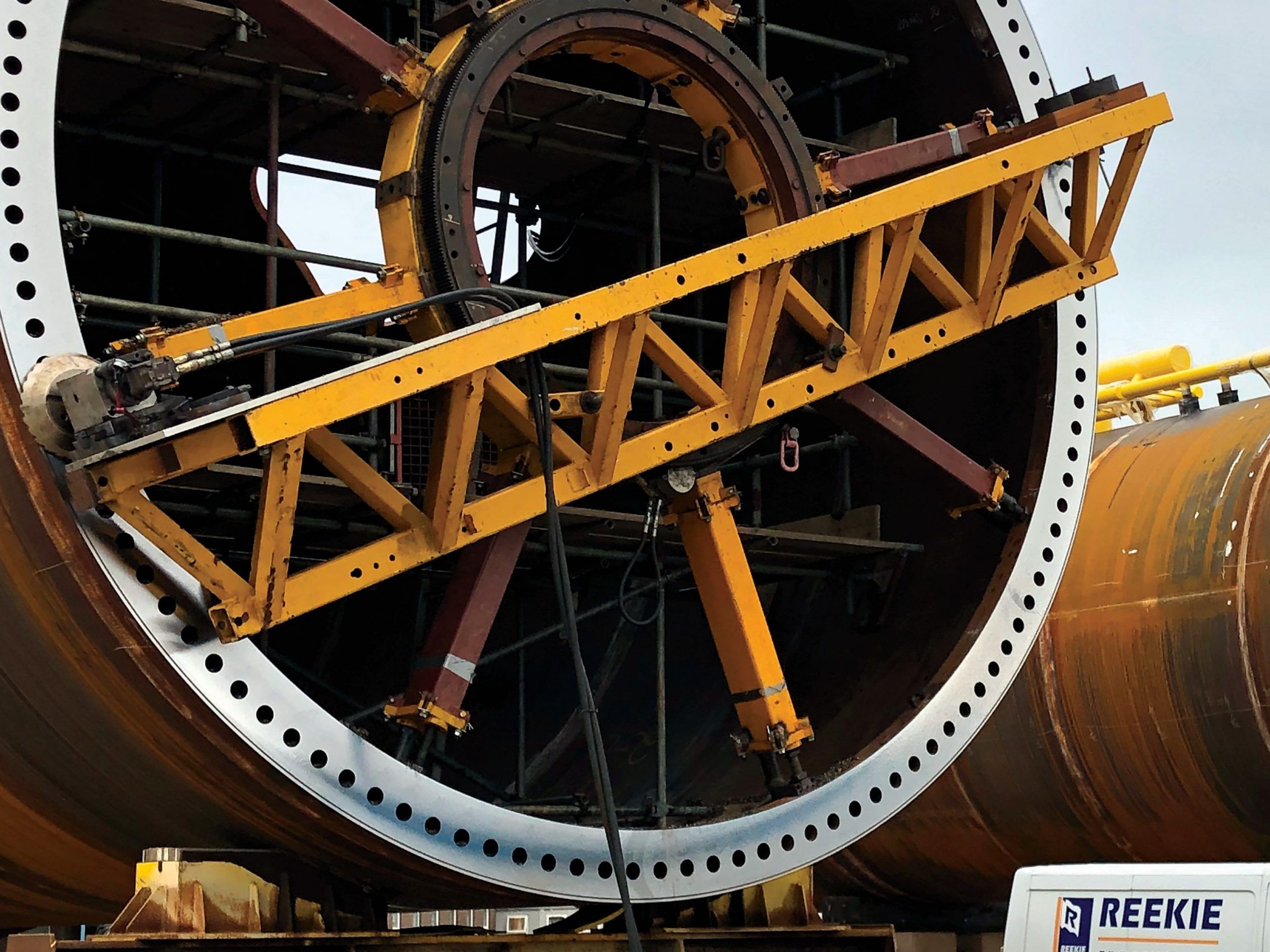
When Should You Choose On-Site Machining?
29/12/2025
When Should You Choose On-Site Machining? Deciding between on-site machining and workshop repairs is a critical consideration for asset owners and maintenance teams. While workshop machining has its place, there are many situations where in-situ machining is the more practical, cost-effective, and safer option. Understanding when to choose on-site machining can significantly reduce downtime, cost, and operational risk. Situations Where On-Site Machining Is the Best Option 1. When Equipment Is […]