


What Is Machining?
29.12.25

Machining is a manufacturing process used to shape metal and other solid materials into precise components. By carefully removing material using cutting tools, machining creates parts with exact dimensions, smooth finishes, and tight tolerances that other processes can’t always achieve.
At its core, machining turns raw material—such as steel, aluminium, or specialist alloys—into functional components used across industries including energy, manufacturing, rail, marine, and heavy engineering. Common machining methods include turning, milling, drilling, and boring, each designed to achieve a specific shape or feature.
What sets machining apart is its precision. Modern machining equipment allows engineers to work to fractions of a millimetre, ensuring parts fit perfectly and perform reliably. This level of accuracy is critical in applications where safety, efficiency, and longevity matter.
Machining can take place in a workshop or directly on site. On-site machining is particularly valuable when components are too large, fixed in place, or costly to remove. By bringing portable machining equipment to the job, repairs, modifications, and alignments can be completed with minimal disruption and downtime.
For customers, machining offers flexibility and confidence. Whether it’s manufacturing a new component, repairing worn equipment, or restoring critical assets, machining provides a reliable, cost-effective solution. It extends the life of existing machinery, reduces replacement costs, and keeps operations running smoothly.
In short, machining is about precision engineering where it matters most—delivering accurate, dependable results that support the performance and reliability of your equipment.
Recent Blog Articles
View blog >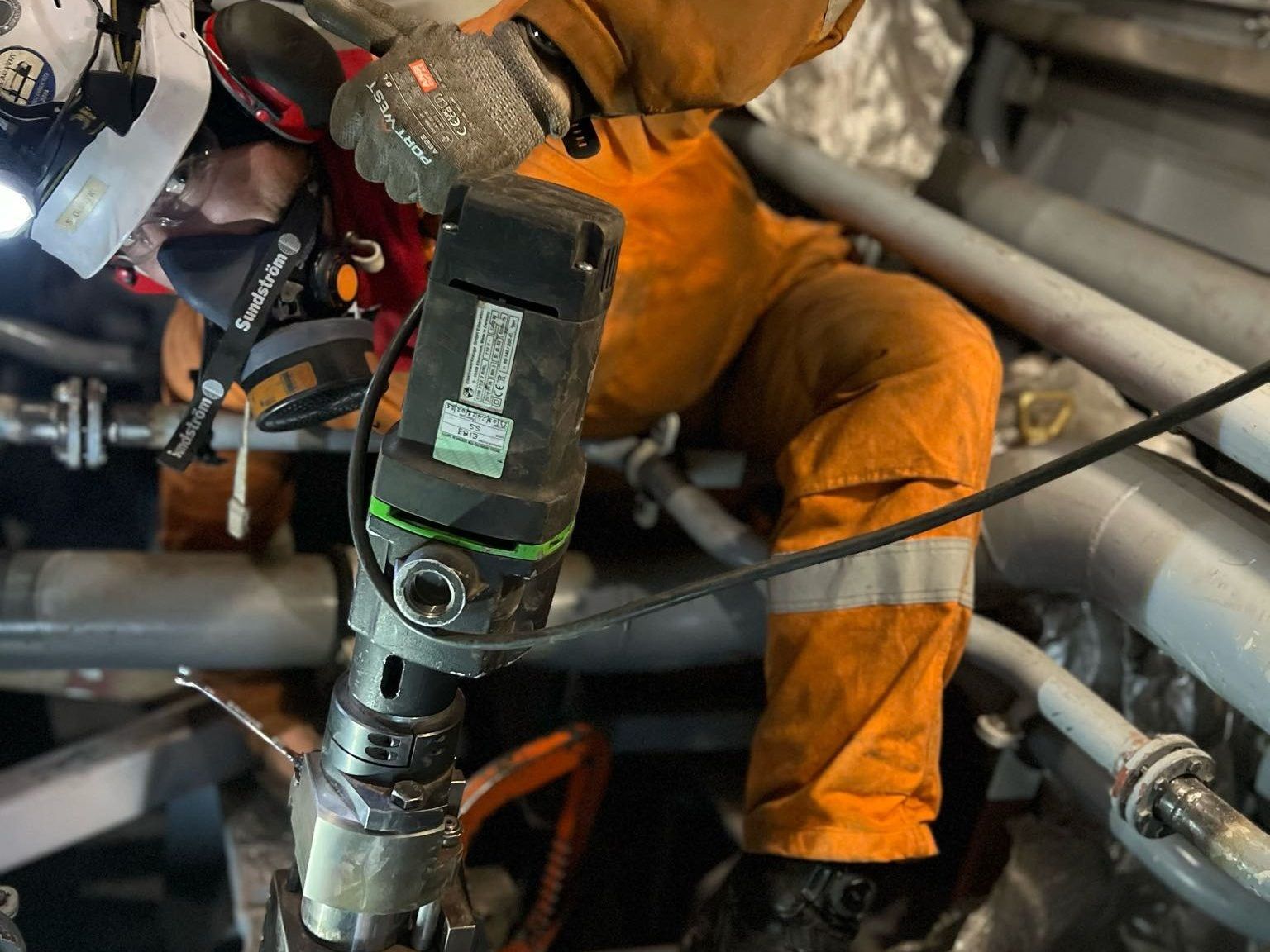
BLOG
What to Consider Before an In-Situ Machining Project
29/12/2025
What to Consider Before an In-Situ Machining Project In-situ machining can be a highly effective solution—but it isn’t always the right one. Understanding the options and gathering the right information early can significantly reduce risk, cost, and downtime. The following points are designed to help you make informed decisions and set your project up for success—whether you work with Reekie Machining or another provider. In-Situ or Off-Site Machining? The first […]
BLOG
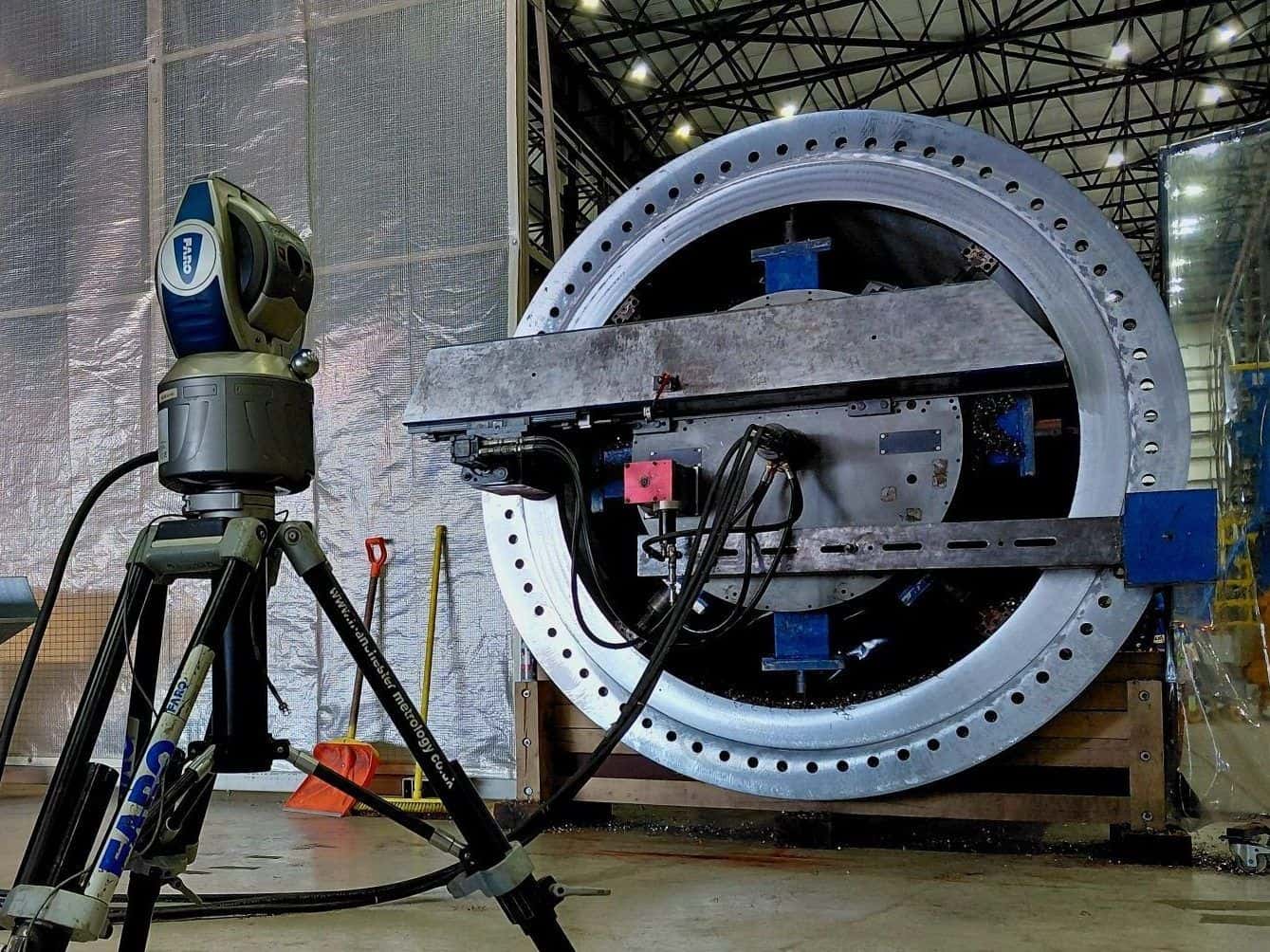
What Is In-Situ Machining?
29/12/2025
What Is In-Situ Machining? In-situ machining, also known as on-site machining, field machining, or portable machining, is the process of carrying out precision machining operations directly on installed or fixed equipment — without the need to dismantle or transport components to a workshop. Instead of removing large or critical assets, specialised portable machine tools are brought to site, allowing machining work to be completed accurately, safely, and efficiently in the […]
BLOG
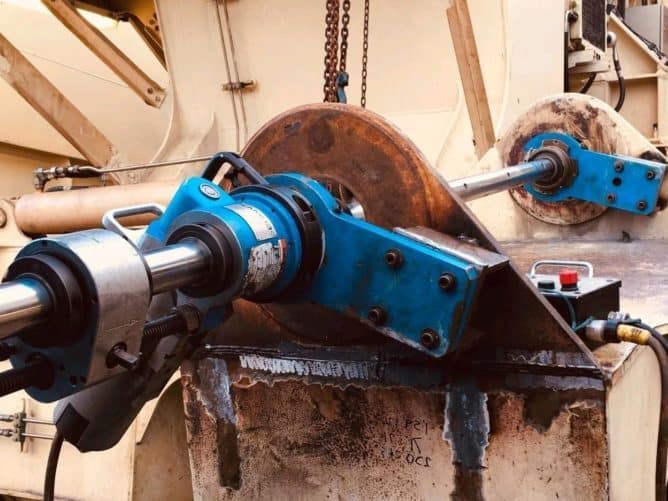
Common In-Situ Machining Applications
29/12/2025
Common In-Situ Machining Applications Common Applications of In-Situ Machining In-situ machining, also known as on-site machining or portable machining, is used across a wide range of industries to repair, modify, and restore critical components without removing them from service. Its flexibility and precision make it an essential maintenance solution where downtime, access, or component size makes workshop repairs impractical. Below are some of the most common in-situ machining applications, many […]