


The Pioneers of Modern In-Situ and On-Site Machining
28.12.25
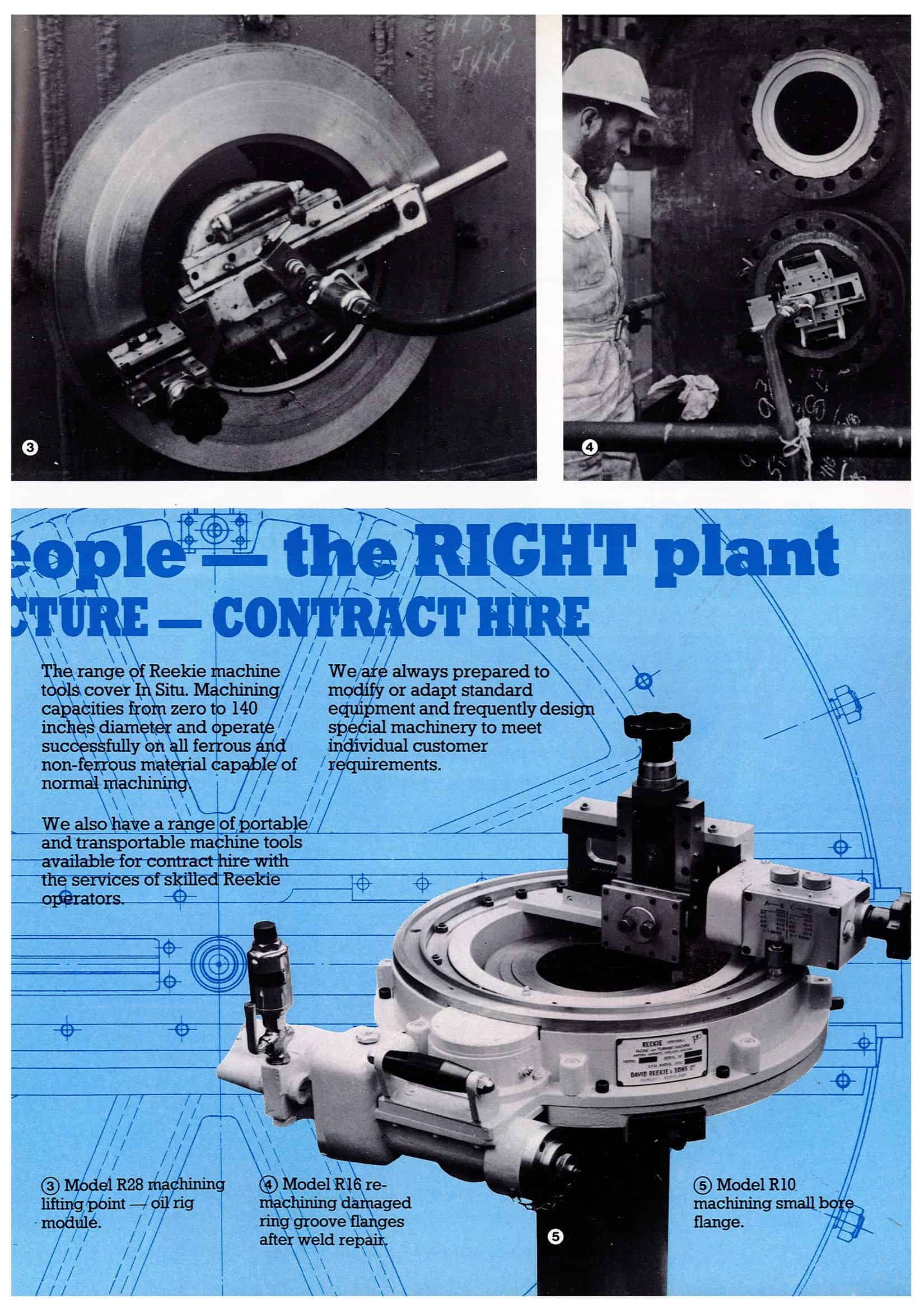
In-situ machining, also known as on-site machining or portable machining, has its origins in the late 19th and early 20th centuries. It developed out of necessity in heavy industries such as shipbuilding, railways, steel mills, and power generation, where large components could not be removed and transported to a conventional machine shop. Critical assets including engine blocks, turbine housings, and propeller shafts were often too large, too heavy, or too valuable to dismantle. During wartime, particularly throughout the First and Second World Wars, the demand for on-site repairs increased significantly, as damaged ships, tanks, and industrial equipment had to be repaired quickly and safely in the field. At this stage, on-site machining services were typically carried out by highly skilled maintenance engineers using custom-built portable machines, designed for specific applications rather than standardised production.
The Emergence of Modern In-Situ Machining
Modern portable machining began to take shape in the mid-20th century, when a small number of specialist engineering companies started to develop commercially available on-site machining equipment. Many of today’s line boring machines, flange facers, and pipe cutting systems are still based on the fundamental designs created during the 1950s and 1960s. Among the earliest and most influential contributors to this transition was Reekie Machining.
Reekie Machining: Pioneers of On-Site Machining Services
David Reekie and Sons Limited, now known globally as Reekie Machining, was founded in 1946 by David Gladstone Balfour Reekie. At a time when in-situ machining was still largely improvised, Reekie was already engineering purpose-built portable machining solutions to address real industrial challenges.
One of the earliest public records of Reekie’s innovation appears in a 1953 Glasgow Herald article, which announced the introduction of Reekie’s first flange facing machine. This machine was developed primarily to support the shipbuilding industry, enabling damaged flange joints to be repaired on-site without costly dismantling or downtime.
From this early milestone, Reekie Machining expanded its range of portable machine tools, including:
Flange facing machines
Pipe cutting and pipe preparation machines
Line boring equipment
These machines were among the earliest commercially available in-situ machining tools and helped define industry standards that are still used today.
By the 1960s, Reekie Machining increasingly focused on delivering on-site machining services worldwide, deploying experienced machinists and specialist equipment across Europe and beyond. The company became particularly well established in marine, nuclear, oil and gas, and heavy industrial sectors, where precision, safety, and reliability are critical.
Reekie Machining’s full history can be viewed here:
https://www.reekiemachining.co.uk/about-us/history/
Global Development of Portable Machining
In the United States, Climax Machine Tools began developing portable machining equipment roughly a decade later. Their early products, such as the Model 65 Key Mill, were designed to repair shaft keyways in sawmills and paper mills.
Over time, Climax expanded into portable milling machines, flange facers, and shaft turning equipment, becoming a well-known manufacturer of portable machine tools rather than a service-focused provider.
Industry Expansion and Specialisation
During the 1970s, additional companies entered the in-situ machining industry. George Silk formed the company “Silk,” initially manufacturing motorcycle components and precision gearing. This expertise later influenced the design of their portable machining systems, which became widely used due to their lighter weight and expanded standard ranges.
Although Silk entered the market later than Reekie Machining, their equipment gained significant adoption and remains in use on many on-site machining projects today.
At a similar time, Nicol & Andrew were pioneering emergency ship engine repairs using a specialised form of orbital machining. Despite technical success, the company was later acquired and eventually closed following financial losses — a common outcome for highly specialised engineering firms.
Related Industrial Repair Specialists
Several other early contributors to on-site machining services originated from complementary industrial repair disciplines.
Furmanite, established in the 1920s, pioneered online leak sealing and hot tapping, later expanding into mechanical and in-situ machining services through global growth and acquisitions during the 1970s.
Metalock Engineering, founded in 1904, pioneered metal stitching repairs for cracked or broken cast components. Metalock later added on-site machining capabilities to support its repair services, reportedly developing in-situ machining techniques as early as 1965, though these were not commercialised as standalone products.
Reekie Machining’s Enduring Influence
While many companies contributed to the evolution of portable machining, Reekie Machining remains one of the earliest pioneers to both commercialise portable machine tools and deliver dedicated on-site machining services.
Today, modern line boring, flange facing, and on-site machining solutions still reflect the engineering principles established by Reekie in the industry’s formative years. With decades of continuous operation, global project experience, and specialist expertise, Reekie Machining continues to be a trusted leader in in-situ machining services for critical industrial applications.
Recent Blog Articles
View blog >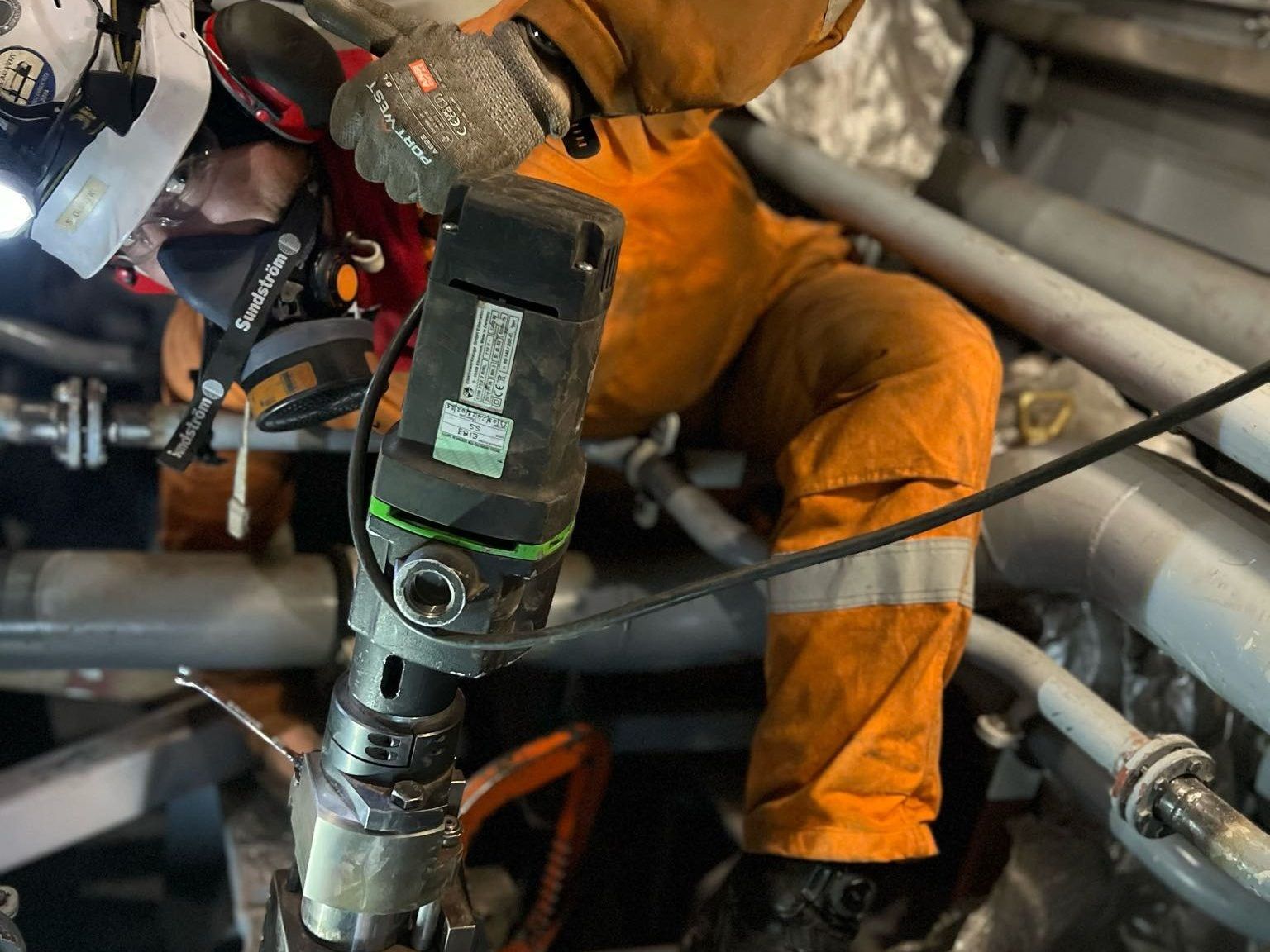
BLOG
What to Consider Before an In-Situ Machining Project
29/12/2025
What to Consider Before an In-Situ Machining Project In-situ machining can be a highly effective solution—but it isn’t always the right one. Understanding the options and gathering the right information early can significantly reduce risk, cost, and downtime. The following points are designed to help you make informed decisions and set your project up for success—whether you work with Reekie Machining or another provider. In-Situ or Off-Site Machining? The first […]
BLOG
What Is In-Situ Machining?
29/12/2025
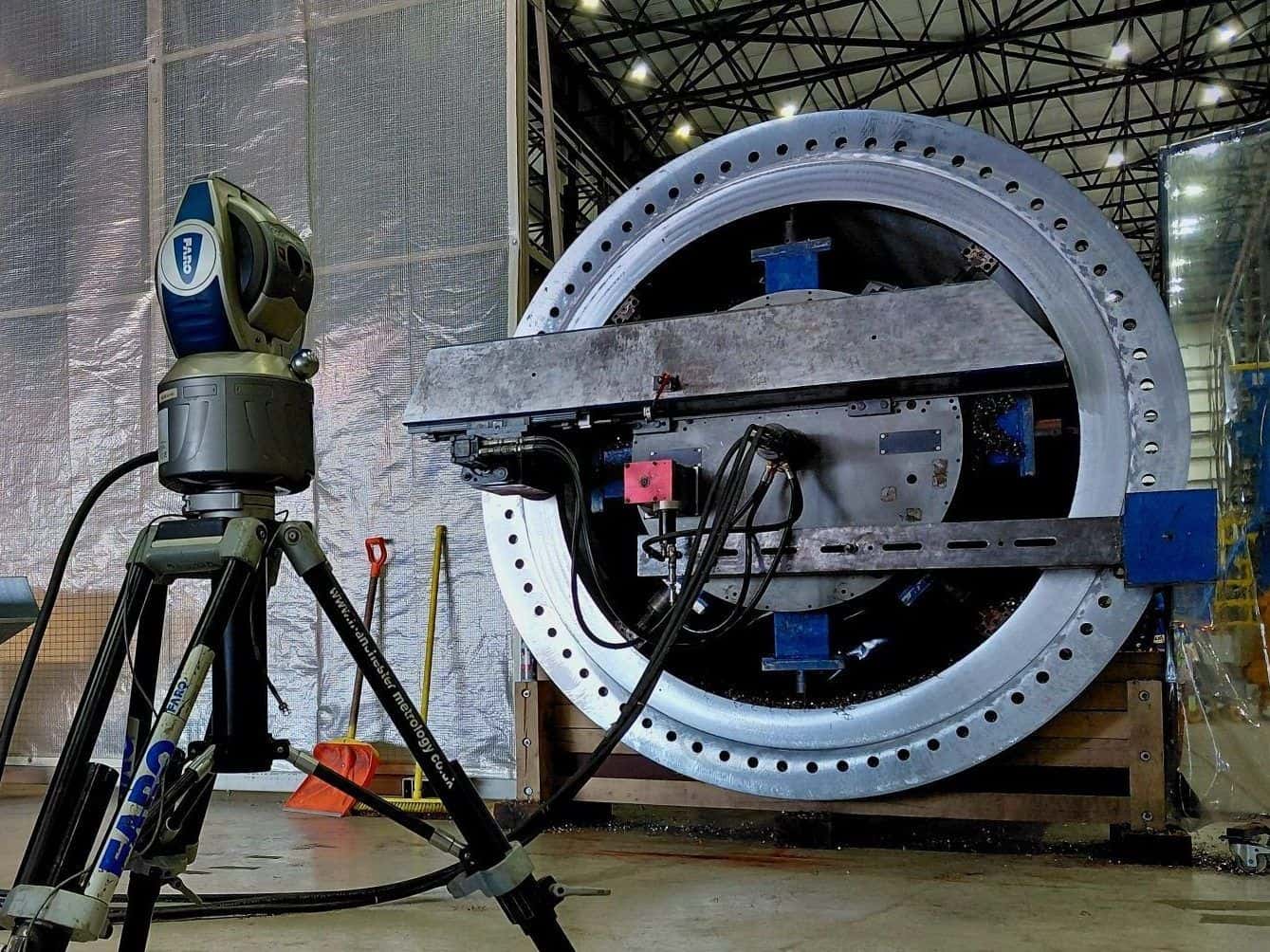
What Is In-Situ Machining? In-situ machining, also known as on-site machining, field machining, or portable machining, is the process of carrying out precision machining operations directly on installed or fixed equipment — without the need to dismantle or transport components to a workshop. Instead of removing large or critical assets, specialised portable machine tools are brought to site, allowing machining work to be completed accurately, safely, and efficiently in the […]
BLOG
Common In-Situ Machining Applications
29/12/2025
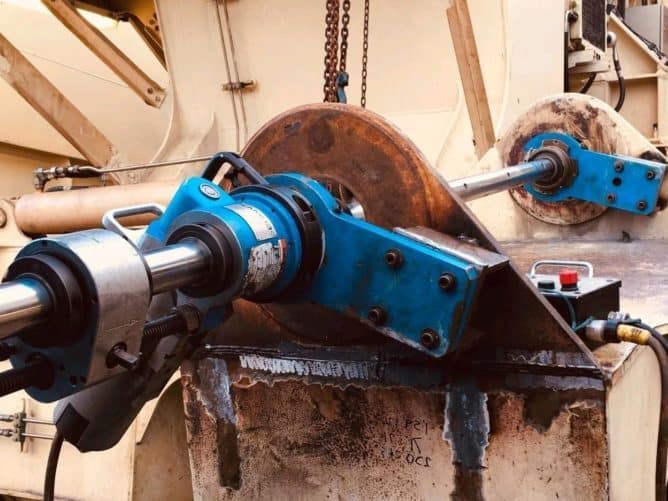
Common In-Situ Machining Applications Common Applications of In-Situ Machining In-situ machining, also known as on-site machining or portable machining, is used across a wide range of industries to repair, modify, and restore critical components without removing them from service. Its flexibility and precision make it an essential maintenance solution where downtime, access, or component size makes workshop repairs impractical. Below are some of the most common in-situ machining applications, many […]