


In-Situ Machining Services: Expertise, Applications, and When to Use Them
29.12.25

In-Situ Machining Services: Expertise, Applications, and When to Use Them
In-situ machining, also known as on-site machining or portable machining, is a critical maintenance and repair solution for industries where downtime, access limitations, or component size make traditional workshop repairs impractical.
With a history dating back to the earliest days of portable machining, Reekie Machining has been at the forefront of delivering precision on-site machining services to global industries since 1946.
This guide provides a complete overview of:
What in-situ machining is
When to choose on-site machining over workshop repairs
Common in-situ machining applications
The history and expertise behind modern portable machining
What Is In-Situ Machining?
In-situ machining is the process of carrying out precision machining operations directly on installed or fixed equipment, without dismantling or removing components from site.
Specialist portable machine tools are mounted directly onto the workpiece, allowing repairs and modifications to be completed accurately in the equipment’s true operating position.
👉 Learn more in our detailed guide:
Why Choose On-Site Machining?
On-site machining is widely used in heavy and critical industries because it offers significant advantages over conventional workshop repairs.
Key benefits include:
Reduced downtime
Lower overall repair costs
Improved safety through reduced lifting and transport
Greater accuracy by machining in the installed position
Extended asset life
For many assets, in-situ machining can reduce outages from weeks to days — or even hours.
👉 Find out when on-site machining is the right choice:
When to Choose On-Site Machining Over Workshop Repairs
Common In-Situ Machining Applications
In-situ machining covers a wide range of repair and maintenance activities, including:
Flange facing – restoring sealing faces
Line boring – repairing worn or misaligned bores
Pipe cutting and pipe preparation – supporting welding and fabrication
Shaft and journal machining – restoring rotating equipment
Structural and datum surface machining
Emergency and breakdown repairs
These applications are routinely performed in environments where access is limited and reliability is critical.
👉 Explore the most common applications:
Common In-Situ Machining Applications
Industries That Rely on In-Situ Machining
On-site machining services are essential across many sectors, including:
Marine and ship repair
Oil and gas (onshore and offshore)
Power generation
Nuclear
Steel and heavy manufacturing
Offshore and renewable energy
Each industry presents unique challenges that require experience, specialist equipment, and strict quality control.
The Origins of Modern In-Situ Machining
Modern portable machining did not emerge overnight. It developed from early field repairs in shipbuilding, railways, and wartime engineering, where components were too large or critical to remove.
During the mid-20th century, a small number of specialist companies began developing commercially available portable machining equipment, laying the foundations for today’s industry.
👉 Read about the companies and innovations that shaped the industry:
The Pioneers of Modern In-Situ Machining
Reekie Machining: Leaders in On-Site Machining Since 1946
Founded in 1946, Reekie Machining is one of the earliest pioneers of in-situ machining services. From the introduction of some of the first commercially available flange facing machines to decades of global service delivery, Reekie has played a central role in shaping the industry.
Today, Reekie Machining delivers:
Flange facing services
Line boring services
Pipe cutting and preparation
Complex and emergency on-site machining repairs
Reekie’s machinists operate worldwide, supporting critical assets in some of the most demanding industrial environments.
Choosing the Right In-Situ Machining Partner
Successful on-site machining depends on more than just equipment. It requires:
Proven methodologies
Skilled and experienced machinists
Industry-specific knowledge
A strong safety and quality culture
With decades of continuous operation and a pioneering heritage, Reekie Machining provides clients with confidence that repairs will be completed safely, accurately, and efficiently.
Speak to Reekie Machining
If you are considering in-situ machining or need expert advice on the best repair approach for your equipment, Reekie Machining can help.
Contact Reekie Machining to discuss your on-site machining requirements and benefit from decades of industry-leading expertise.
Recent Blog Articles
View blog >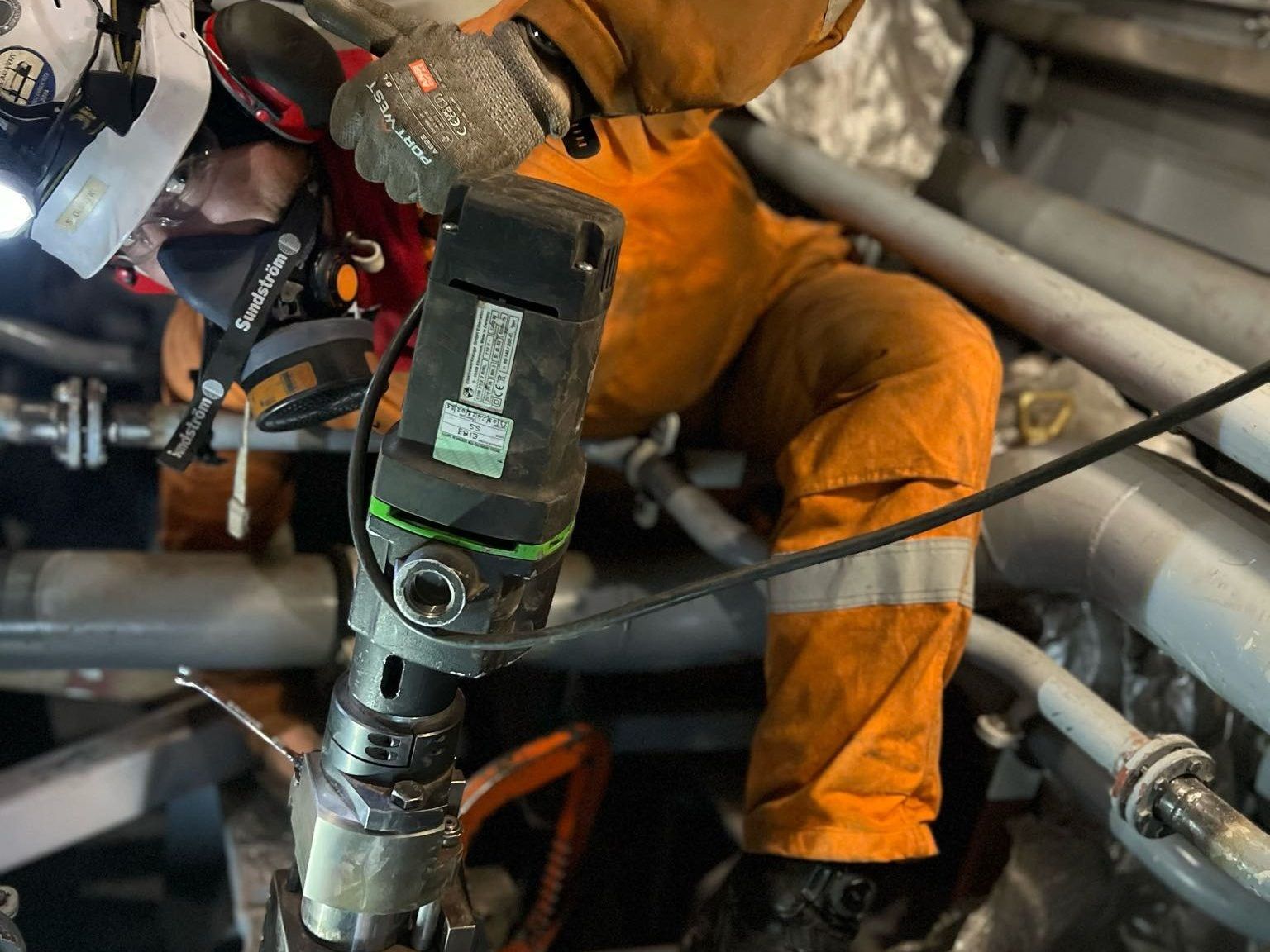
BLOG
What to Consider Before an In-Situ Machining Project
29/12/2025
What to Consider Before an In-Situ Machining Project In-situ machining can be a highly effective solution—but it isn’t always the right one. Understanding the options and gathering the right information early can significantly reduce risk, cost, and downtime. The following points are designed to help you make informed decisions and set your project up for success—whether you work with Reekie Machining or another provider. In-Situ or Off-Site Machining? The first […]
BLOG
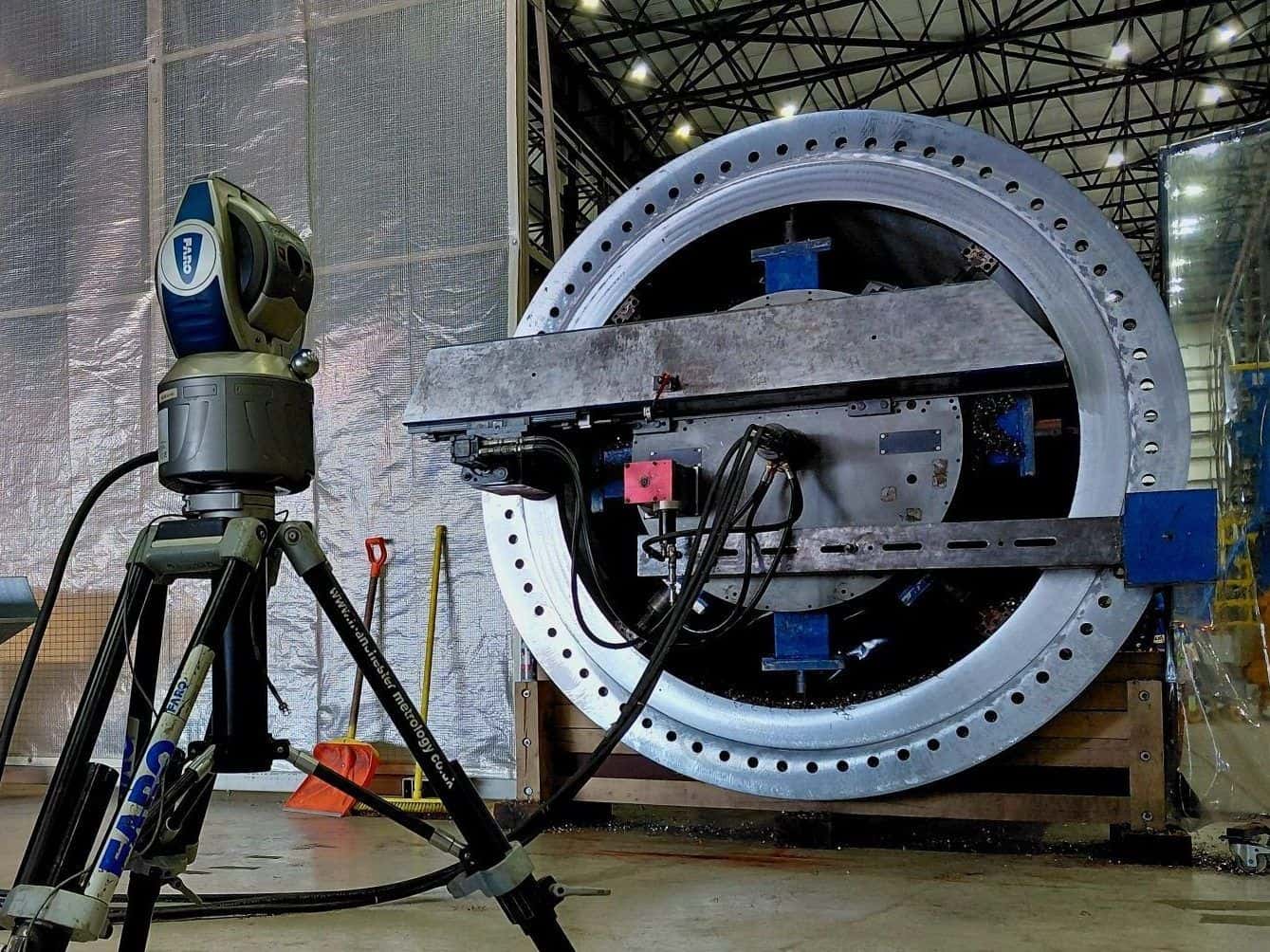
What Is In-Situ Machining?
29/12/2025
What Is In-Situ Machining? In-situ machining, also known as on-site machining, field machining, or portable machining, is the process of carrying out precision machining operations directly on installed or fixed equipment — without the need to dismantle or transport components to a workshop. Instead of removing large or critical assets, specialised portable machine tools are brought to site, allowing machining work to be completed accurately, safely, and efficiently in the […]
BLOG
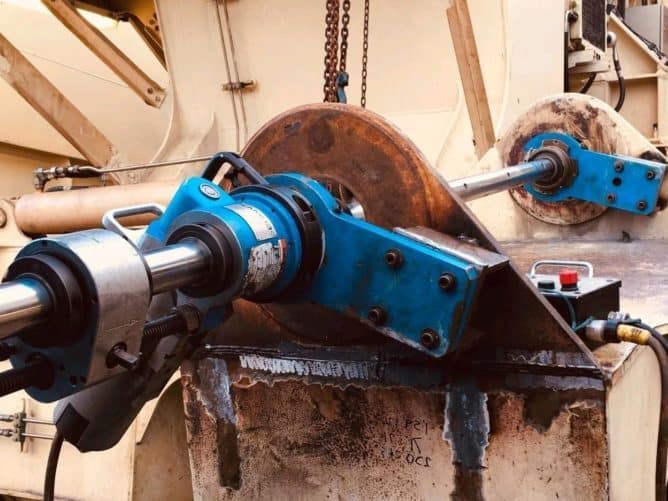
Common In-Situ Machining Applications
29/12/2025
Common In-Situ Machining Applications Common Applications of In-Situ Machining In-situ machining, also known as on-site machining or portable machining, is used across a wide range of industries to repair, modify, and restore critical components without removing them from service. Its flexibility and precision make it an essential maintenance solution where downtime, access, or component size makes workshop repairs impractical. Below are some of the most common in-situ machining applications, many […]