


Common In-Situ Machining Applications
29.12.25

Common In-Situ Machining Applications
Common Applications of In-Situ Machining
In-situ machining, also known as on-site machining or portable machining, is used across a wide range of industries to repair, modify, and restore critical components without removing them from service. Its flexibility and precision make it an essential maintenance solution where downtime, access, or component size makes workshop repairs impractical.
Below are some of the most common in-situ machining applications, many of which form the core of Reekie Machining’s on-site machining services.
Flange Facing
Flange Facing is one of the most widely used on-site machining operations. It involves machining the sealing face of a flange to restore flatness, surface finish, and correct geometry.
Typical applications include:
Corroded or pitted flange faces
Damaged gasket seating surfaces
Distorted flanges caused by heat or mechanical stress
Offshore, marine, and plant shutdown repairs
On-site flange facing eliminates the need to remove pipework or dismantle surrounding equipment, significantly reducing downtime.
Line Boring
Line Boring is used to repair worn, damaged, or misaligned bores by machining them back to size while maintaining precise alignment across multiple bearing points.
Common line boring applications:
Engine blocks and crankcases
Hinge and pivot points
Heavy plant and construction equipment
Turbine casings and gear housings
By carrying out line boring in situ, alignment is maintained in the component’s true operating position, improving accuracy and extending service life.
Pipe Cutting and Pipe Preparation
Pipe Cutting & Weld Prepping are frequently performed on site to support welding and fabrication activities.
Typical uses include:
Preparing pipes for butt welding
Cold cutting in hazardous environments
Shutdown and turnaround maintenance
Offshore and confined-space work
Portable pipe machining equipment allows for accurate, repeatable cuts and bevels without hot work, improving safety and efficiency.
Shaft and Journal Machining
In-situ machining is often used to repair shafts and bearing journals that would otherwise require full removal and replacement.
Common shaft machining tasks:
Restoring worn bearing journals
Machining keyways
Repairing seal areas
Correcting run-out issues
These repairs are particularly valuable in marine propulsion systems, power generation equipment, and large rotating machinery.
Machining of Large Structural Components
In heavy industry, large fabricated or cast components may require machining after installation or as part of repair work.
Applications include:
Machining mounting faces
Restoring datum surfaces
Correcting misalignment issues
Preparing surfaces for component replacement
On-site machining ensures accuracy without disturbing surrounding structures.
Emergency and Breakdown Repairs
One of the key advantages of in-situ machining is its suitability for emergency repairs. When unexpected failures occur, removing equipment may not be an option.
On-site machining allows:
Rapid response to breakdowns
Temporary or permanent repairs
Minimal disruption to operations
This capability is critical in industries where unplanned downtime has significant financial or safety implications.
Industries That Rely on In-Situ Machining
Common industries that depend on on-site machining services include:
Marine and ship repair
Oil and gas
Power generation
Nuclear
Steel and heavy manufacturing
Offshore and renewable energy
Each sector presents unique access, safety, and precision challenges — all of which are well suited to experienced in-situ machining specialists.
Reekie Machining’s Experience in In-Situ Applications
With a heritage dating back to 1946, Reekie Machining has extensive experience across the full spectrum of in-situ machining applications. From routine flange facing to complex line boring and emergency repairs, Reekie’s on-site machinists operate in some of the most demanding industrial environments worldwide.
By combining proven portable machining equipment with skilled personnel and rigorous quality standards, Reekie Machining delivers reliable, accurate, and efficient on-site machining solutions tailored to each project.
Choosing the Right On-Site Machining Partner
Not all on-site machining work is the same. Successful in-situ machining depends on:
Correct machine selection
Accurate alignment and setup
Skilled operators
Industry-specific experience
Choosing a provider with a long-standing track record ensures repairs are completed safely, accurately, and to specification.
Recent Blog Articles
View blog >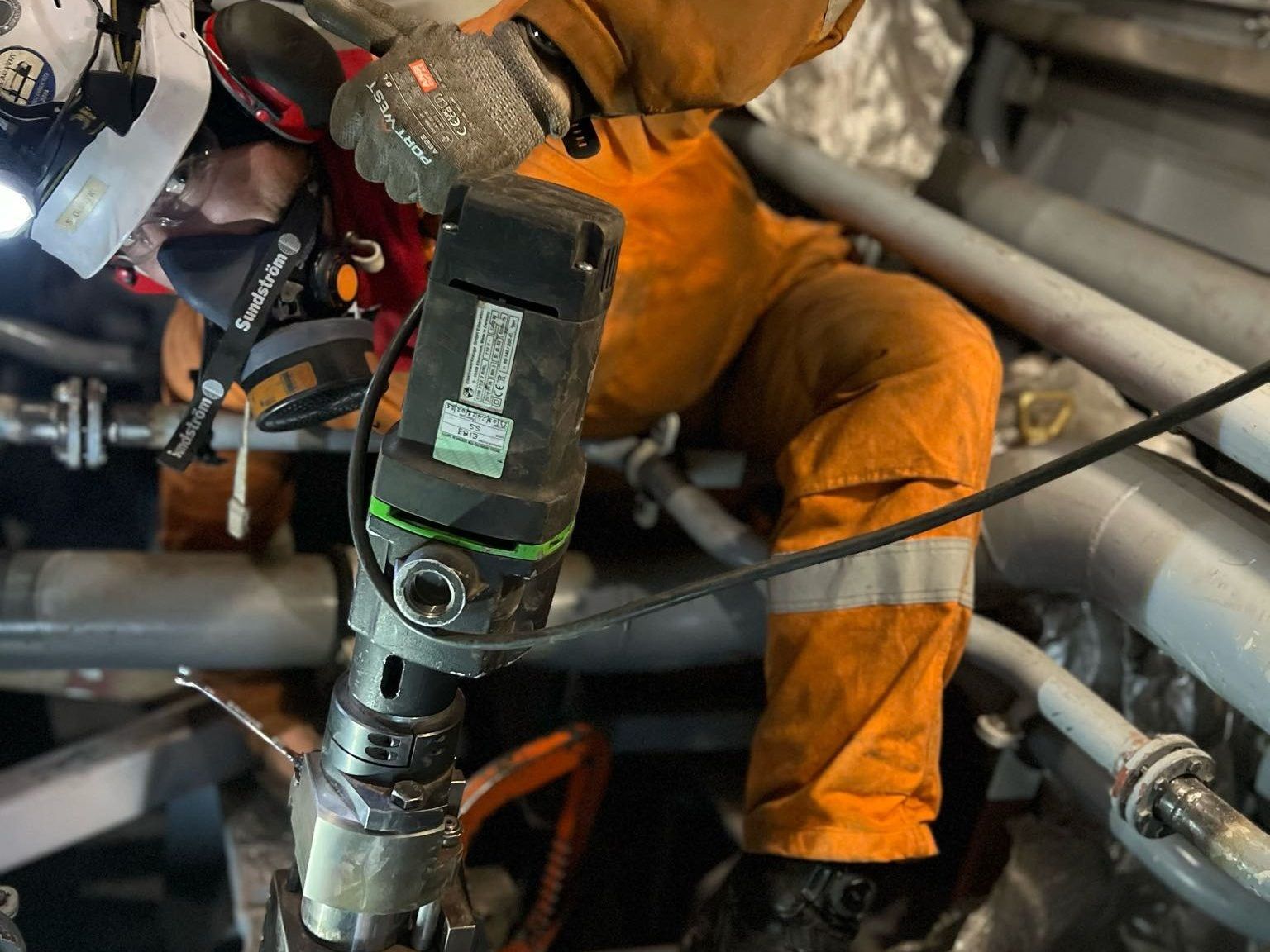
BLOG
What to Consider Before an In-Situ Machining Project
29/12/2025
What to Consider Before an In-Situ Machining Project In-situ machining can be a highly effective solution—but it isn’t always the right one. Understanding the options and gathering the right information early can significantly reduce risk, cost, and downtime. The following points are designed to help you make informed decisions and set your project up for success—whether you work with Reekie Machining or another provider. In-Situ or Off-Site Machining? The first […]
BLOG
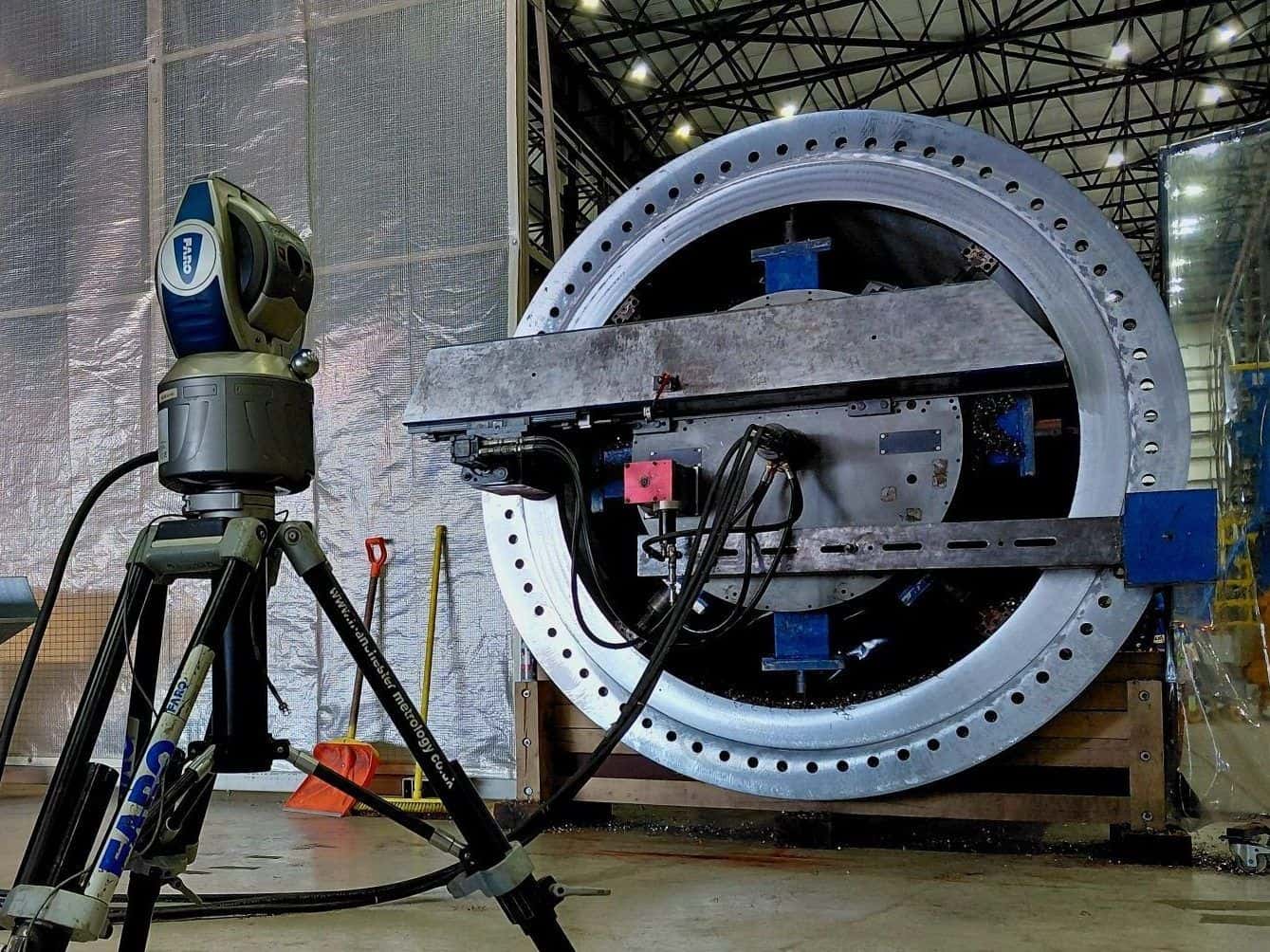
What Is In-Situ Machining?
29/12/2025
What Is In-Situ Machining? In-situ machining, also known as on-site machining, field machining, or portable machining, is the process of carrying out precision machining operations directly on installed or fixed equipment — without the need to dismantle or transport components to a workshop. Instead of removing large or critical assets, specialised portable machine tools are brought to site, allowing machining work to be completed accurately, safely, and efficiently in the […]
BLOG
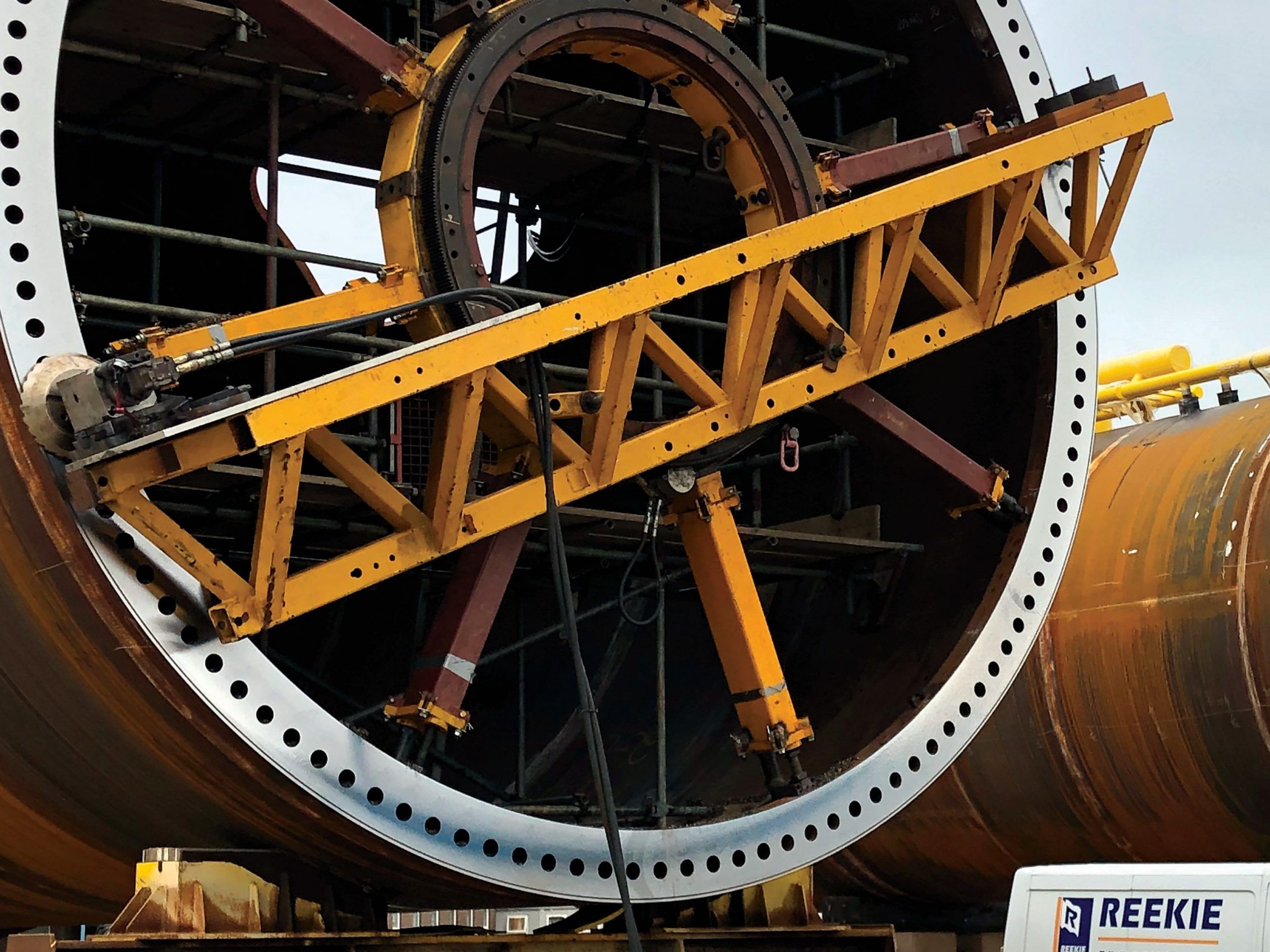
When Should You Choose On-Site Machining?
29/12/2025
When Should You Choose On-Site Machining? Deciding between on-site machining and workshop repairs is a critical consideration for asset owners and maintenance teams. While workshop machining has its place, there are many situations where in-situ machining is the more practical, cost-effective, and safer option. Understanding when to choose on-site machining can significantly reduce downtime, cost, and operational risk. Situations Where On-Site Machining Is the Best Option 1. When Equipment Is […]